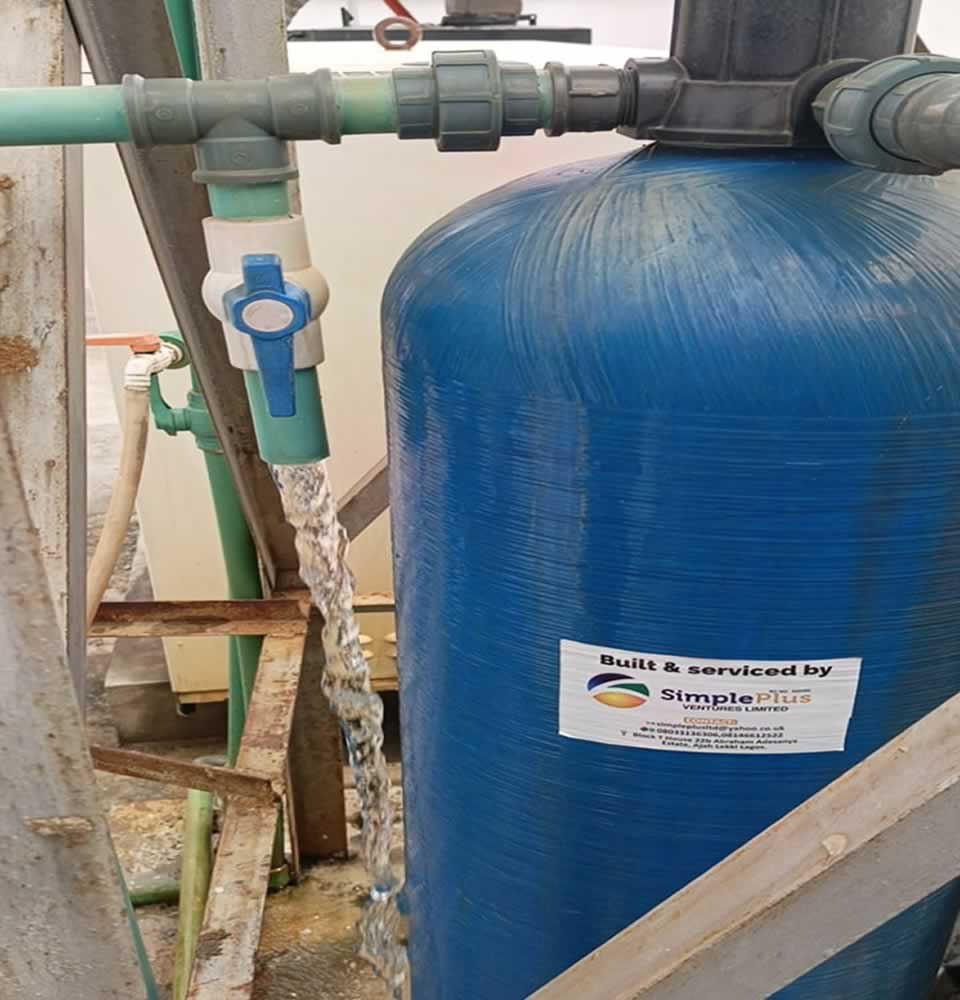
Water Treatment Plant
A water treatment plant is
a facility that purifies raw water (from rivers, lakes, or groundwater) into safe, potable drinking water
. It achieves this through a series of multi-stage physical, chemical, and biological processes designed to remove suspended solids, microorganisms, and harmful contaminants.
The Step-by-Step Treatment Process
- Coagulation and Flocculation:
Coagulants are added to the raw water, causing tiny suspended particles to stick together and form larger, heavier clumps called "flocs".
- Sedimentation:
The heavy flocs settle to the bottom of the basin and are removed as sludge, leaving clear water at the top.
- Filtration:
The clear water passes through layers of materials like sand, gravel, and activated carbon to remove any remaining microscopic impurities and improve the water's taste and odor.
- Disinfection:
A disinfectant (such as chlorine) is added to kill any remaining bacteria, viruses, or pathogens, ensuring the water is completely safe for public consumption.
Types of Water Treatment Facilities
Depending on your regional or industrial needs, facilities are generally categorized into:
- Drinking Water Treatment Plants:
Focused entirely on purifying raw water to meet strict health and potability standards.
- Wastewater Treatment Plants:
Focus on cleaning used water (from homes and industries) before it is safely discharged back into the environment or recycled.
For a visual walkthrough of exactly how a water treatment plant transforms raw water into clean, safe drinking water:
wall.