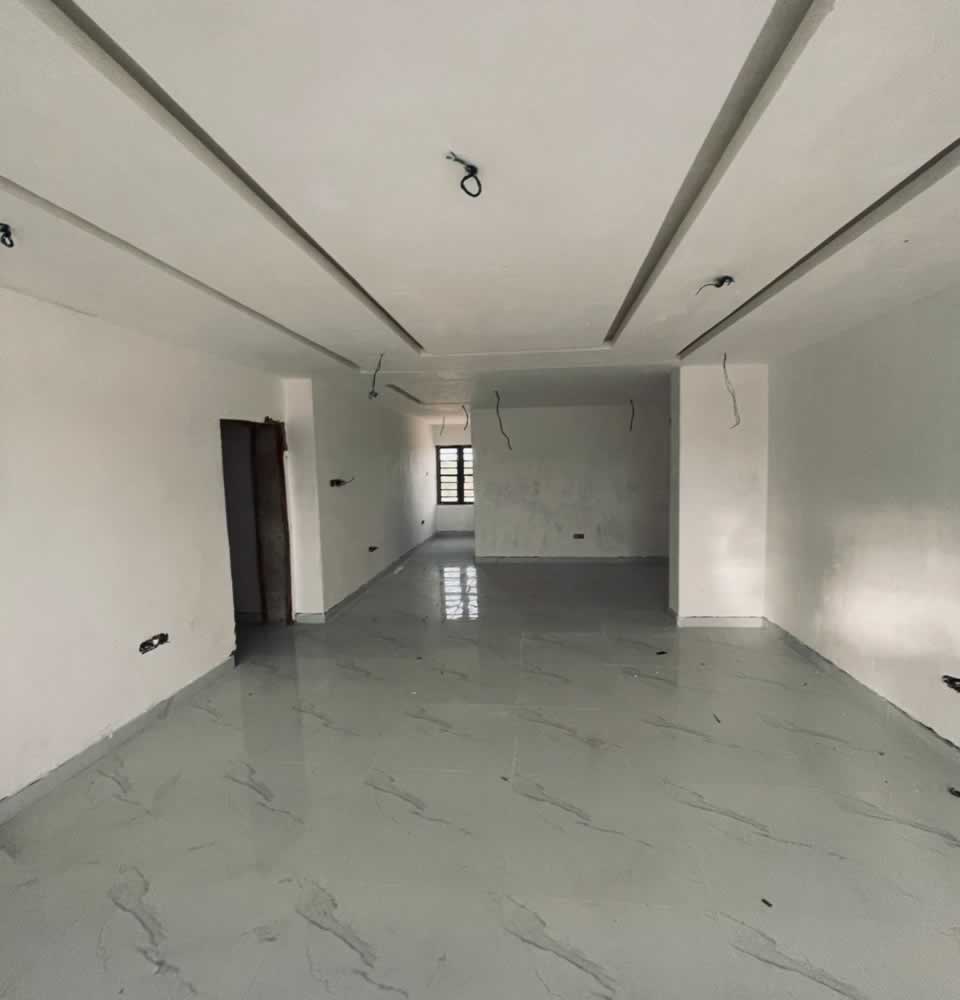
Wall Screading and Painting
Wall screeding is
the process of applying a smooth, level cement-based paste or screeding paint to walls to cover imperfections like cracks, bumps, and holes
. It creates a flawless, modern base for your paint, significantly improves paint adhesion, and stops moisture from seeping in, ensuring your final paint job lasts longer.
If you want to achieve a glassy, flawless finish, following the correct step-by-step sequence is essential:
- Surface Preparation:
Clean the wall thoroughly to remove dust, grease, and debris. If you are screeding over an already painted wall, scrape off any loose or peeling paint.
- Priming:
Apply a bonding agent (like a PVA-based top bond or water seal) to ensure the screed grips the wall properly.
- First Coat Application:
Mix your screeding paste (usually a blend of white cement, calcium carbonate, and binders) and apply it thinly and evenly across the wall using a steel trowel or putty knife. Let it dry completely.
- Sanding:
Once the first coat is dry, lightly sand the wall to knock down ridges and bumps before wiping away the dust.
- Second Coat:
Apply a second, thinner coat to cover any remaining pinholes or deep spots, and sand it again to achieve a mirror-smooth finish.
Once your screeded wall is perfectly smooth, dry, and dust-free, you are ready to paint:
- Apply Primer:
Always apply a coat of wall primer before painting. This unifies the surface and prevents your screed from absorbing too much paint.
- Top Coat:
Apply two to three coats of high-quality emulsion, satin, or silk paint. A satin or silk finish looks exceptionally stunning on a perfectly screeded wall.